avoiding common pitfalls when using eco friendly fires
As we move towards a more sustainable future, eco-friendly fires have become increasingly popular in UK homes. These fires offer a range of benefits, from reduced emissions to lower energy costs. However, there are common pitfalls that many users encounter. Understanding these issues can help you make the most of your eco-friendly fire while ensuring safety and efficiency. In this article, we will explore these pitfalls and provide practical advice to avoid them.
Choosing the Wrong Fuel
One of the most significant mistakes is selecting inappropriate fuel for your eco-friendly fire. Different models are designed to burn specific types of fuel, such as wood, bioethanol, or pellets. Using the wrong type can lead to increased emissions and poor combustion efficiency. Always check your manufacturer's guidelines for the recommended fuel type to ensure optimal performance and compliance with environmental standards.
Neglecting Regular Maintenance
Regular maintenance is crucial for any fire system, but especially for eco-friendly options. Many users overlook this aspect, assuming that because their fires are more efficient, they require less attention. In reality, neglecting maintenance can lead to build-up of soot, blockages, and even hazardous situations. Schedule regular checks and cleanings, ideally once a year, to ensure your fire operates safely and efficiently.
People Also Look For:
Overloading the Fire
Another common mistake is overloading the fire with fuel. While it might seem reasonable to add more fuel to increase heat output, this often backfires. Overloading can lead to incomplete combustion, producing harmful emissions and reducing overall efficiency. Stick to the recommended fuel load specified in the user manual for your fire, ensuring you enjoy a clean and efficient burn.
Ignoring Ventilation Needs
Proper ventilation is vital when using any type of fire, including eco-friendly options. Some users underestimate the importance of adequate airflow, which can result in smoke backing up into the room or even carbon monoxide build-up. Always ensure that your space has sufficient ventilation. Consider installing air vents if necessary and avoid closing off spaces where combustion air can enter.
Underestimating Heat Output
Eco-friendly fires can produce a significant amount of heat, and underestimating this output can lead to discomfort in your home. Many users place their fires in small spaces without considering how quickly the room will heat up. Before installation, calculate the heat output required for your space and choose a fire that matches this need. This will ensure comfort while avoiding overheating.
Using Non-Eco-Friendly Accessories
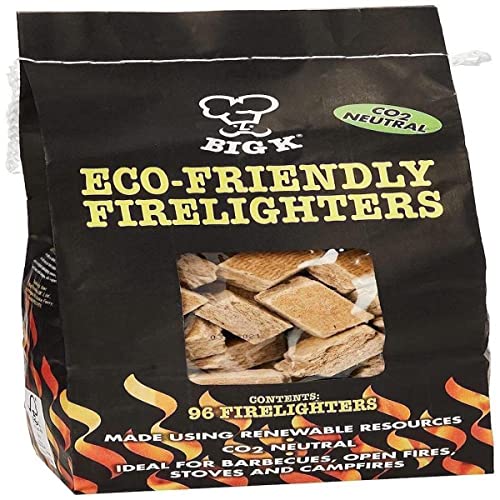
When enhancing your eco-friendly fire experience, it can be tempting to use cheaper, non-eco-friendly accessories, such as synthetic logs or chemical fire starters. These can undermine the environmental benefits of your fire. Instead, opt for natural fire starters and eco-friendly logs. There are many sustainable options available, including compressed sawdust logs or natural kindling, which ensure you maintain a truly eco-friendly practice.
Ignoring Local Regulations
In the UK, certain regulations govern the use of fires, especially in urban areas. Many users overlook these guidelines, which can lead to fines or the need to remove their installations. Before setting up your eco-friendly fire, research local regulations regarding emissions, safety standards, and permits. This ensures you enjoy your fire without running into legal issues.
Not Educating Yourself
Lastly, many users do not take the time to educate themselves about the operation and maintenance of their eco-friendly fires. Each model may have specific requirements and features. Investing time in understanding how to use and care for your fire properly will enhance your experience and prolong the life of your installation. Attend workshops or read manuals and guides to stay informed.